 An official website of the United States Government
Official websites use .gov
A .gov website belongs to an official government organization in the United States.

A .gov website belongs to an official government organization in the United States.

A lock or https:// means you’ve safely connected to the .gov website. Share sensitive information only on official, secure websites
 |
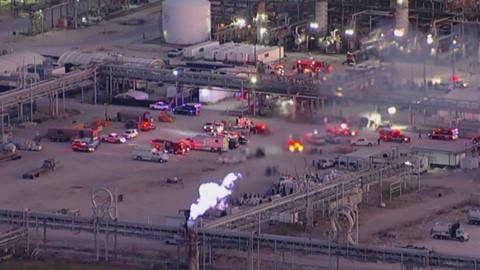
On October 10, 2024, a catastrophic release of hydrogen sulfide gas occurred at the PEMEX Deer Park Refinery near Houston, Texas during maintenance operations. The incident resulted in two fatalities, over 35 injuries, and a shelter-in-place order for surrounding communities. This case study examines the medical management and safety considerations associated with the incident.
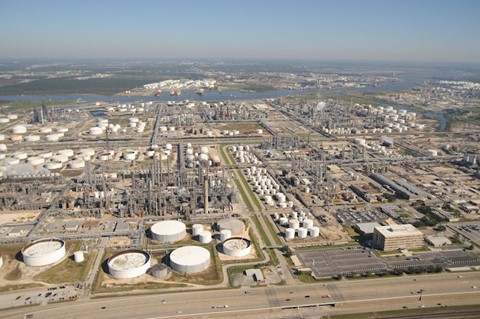
The PEMEX Deer Park Refinery, located near Houston, is a major petroleum processing facility. During a scheduled turnaround, contract workers were performing maintenance on an amine regeneration unit. A misidentified pipe segment containing hydrogen sulfide gas was opened, releasing approximately 27,000 pounds of the toxic substance into the air.
Hydrogen sulfide is a colorless, flammable, and highly toxic gas that can cause respiratory failure and death even at low concentrations.
Hydrogen sulfide exposure can result in the following symptoms:
According to CDC Medical Management Guidelines, recommended treatment includes:
Two contract workers died—one at the release site and another while attempting to flee. At least 35 individuals were treated for exposure symptoms. Given the potential health effects on the public, Highway 225 was temporarily closed, and shelter-in-place orders were issued for the communities of Deer Park and Pasadena.
Victims received symptomatic treatment including oxygen therapy, bronchodilators for respiratory distress, and intravenous fluids. Several individuals were monitored for delayed neurological and pulmonary effects. Decontamination procedures included removal of contaminated clothing and thorough skin and eye irrigation.
First responders should initiate decontamination by removing victims from the exposure zone, removing contaminated clothing, and irrigating exposed skin and eyes with copious amounts of water.
Responders must wear appropriate PPE, including Level B protection with supplied-air respirators (SABA) or self-contained breathing apparatus (SCBA). Hydrogen sulfide-specific gas detectors should be used to monitor air concentrations in suspected releases. Escape respirators and personal monitors are essential for all personnel operating in potentially contaminated zones.
Hospital staff should ensure secondary contamination is minimized by isolating exposed individuals upon arrival. Patients should undergo decontamination prior to entering the emergency department, including removal of contaminated clothing and thorough washing of skin and eyes. Dedicated decontamination areas should be used to prevent exposure to hospital personnel and other patients.
Healthcare providers should wear appropriate PPE when treating patients exposed to hydrogen sulfide, including gloves, gowns, eye protection, and respiratory protection if off-gassing from clothing or skin is suspected. Staff should be trained to recognize symptoms of hydrogen sulfide exposure and in the use of PPE to prevent secondary exposure.
The incident highlighted critical gaps in hazard identification, emergency alerting systems, and safety protocols, and it showed the need for robust training and emergency planning.